The Quiet Healing of Summer
The Quiet Healing of Summer
There is something deeply therapeutic about the lazy days of summer, especially here in the Pacific Northwest. The world feels just a little less rushed. Even people who are usually moving at full speed often find themselves slowing down without entirely meaning to. The evenings stay light later. The air changes. Windows open. Kids stay outside longer. We remember, sometimes unconsciously, that human beings were never designed to live entirely indoors, under fluorescent lights, staring at screens while our nervous systems remain locked in a constant state of activation. And honestly, this slowing down could not come at a better time.
Many people are carrying a tremendous amount of financial stress right now. Food prices are climbing. Gas prices feel absurd. People are watching every purchase, second-guessing every expense, and quietly wondering how much further they can stretch things. Even families who are relatively stable are feeling the emotional impact of living in prolonged uncertainty. Chronic financial stress affects the nervous system in very real ways. People become more irritable, more fatigued, less patient, more emotionally reactive. Sleep suffers. Relationships become strained. The brain starts organizing itself around vigilance and survival instead of creativity, connection, rest, or joy.
When people are under stress for long periods of time, they often stop doing the very things that help regulate them emotionally. They isolate. They stop reaching out. They tell themselves they cannot afford to relax until everything is fixed. But emotionally healthy living does not happen after stress disappears. It happens while life is still difficult.
One of the things I talk about often with clients is the concept of nervous system regulation. Human beings regulate each other constantly, whether we realize it or not. A calm conversation with a trusted friend. Sitting quietly beside someone you love. Laughing around a fire pit. Walking through trees. Hearing ocean waves. Sharing food with neighbors. These experiences are not “extras.” They are psychologically protective experiences that help the body remember safety and connection. And thankfully, many of the most regulating experiences available to us are free.
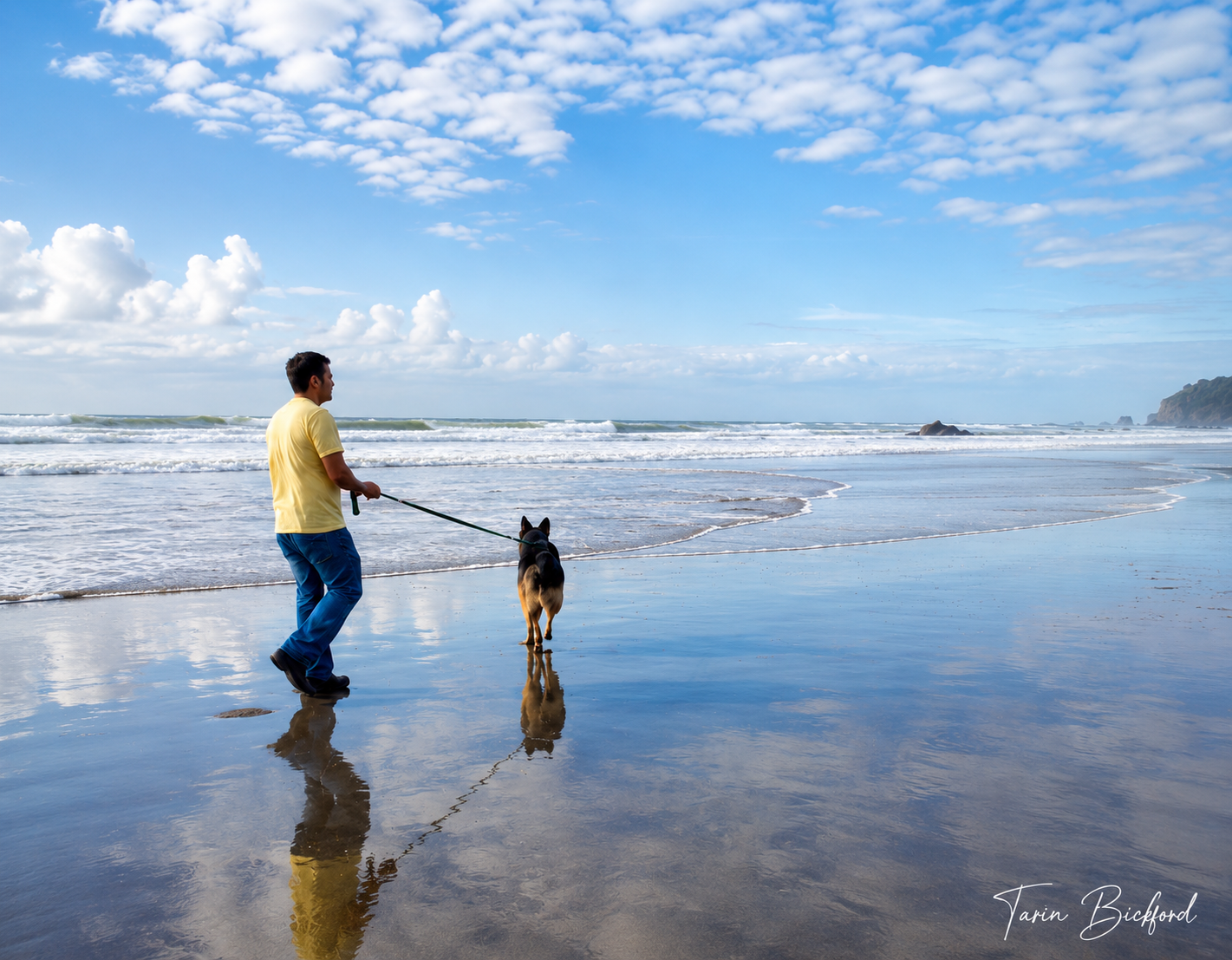
We live in one of the most naturally beautiful places in the world. We can walk through forests that smell like cedar and rain. We can drive to the coast and let cold saltwater wake us back up emotionally. We can hike mountain trails, spread out blankets in parks, sit beside rivers, or simply walk around the block after dinner while the sky stays light until nearly ten o’clock. These are not insignificant things. Research consistently shows that time in nature lowers cortisol, improves mood, reduces anxiety, and helps restore cognitive and emotional functioning. Nature quite literally helps exhausted nervous systems recover. But there is another piece of this that matters just as much: community.
Difficult economic periods tend to push people inward. Everyone becomes focused on their own survival. But historically, human beings survive hard seasons best when they become more interdependent, not less. We are not meant to navigate fear and uncertainty alone. Mutual aid is not just a political or social concept. It is an emotional and psychological one. Bringing groceries to someone who is struggling. Watching a neighbor’s children so they can rest. Inviting people over even when dinner is simple. Checking in on elderly neighbors during heat waves. Lending tools. Sharing garden vegetables. Sitting together on porches at the end of the day. These things matter more than people realize.
Many people are grieving the version of life they thought they would have by now. There is frustration and exhaustion in the air lately. But there is also an opportunity to return to simpler forms of connection that are often more emotionally nourishing than expensive entertainment or constant busyness ever was.
Summer invites us to loosen our grip a little. To stop trying to optimize every moment. To let children get dirty. To stay outside longer than planned. To call old friends. To wave people over instead of scheduling everything three weeks out. To remember that healing is often quiet and ordinary.
Not every season of life is about striving. Some seasons are about restoring the parts of ourselves that have been overworked for too long. This summer, maybe the goal is not to do more. Maybe the goal is to breathe deeper, gather closer, rest more honestly, and remember that even during hard times, there is still beauty available to us every single day.